Digital Night Vision vs Analog: Which Is Better? (October 2026)
For digital night vision vs analog, choose digital for recording and supported daytime use, or analog for responsive viewing with an image intensifier. For observation without added infrared light, compare the exact sensor or tube, not just the technology label.
On this page (8 sections)
- Digital night vision vs analog: what changes in actual use?
- Which gives a more useful image in darkness?
- When does infrared illumination help or cause problems?
- Which digital monocular suits your plans?
- How should you set up night vision for the first outing?
- How do power and care affect your choice?
- What common mistakes should you avoid?
- Digital night vision vs analog: which should you pick?
Choose digital night vision for recording and supported daytime use, or analog for responsive viewing through an image intensifier. The useful digital night vision vs analog comparison starts with your task: saving wildlife clips, watching a fixed area or observing without added infrared light.
Digital uses a sensor and screen. Analog amplifies incoming light through a tube, which gives you a phosphor image through an eyepiece.
All 3 products below are digital options. They show different ways to use digital night vision; none provides an analog alternative.

Digital night vision vs analog: what changes in actual use?
Digital adds an electronic capture-and-display step; analog amplifies incoming light through a tube. That difference affects recording, viewing delay and how you use the device.
A digital sensor gathers light, electronics process the signal, and a screen shows the image. Built-in recording and selectable display modes fit naturally into that system.
An analog intensifier turns incoming light into electrons, amplifies them and forms an image on a phosphor screen. It still uses battery power, even though it doesn't rely on a digital video display.
Digital vs analog night vision for moving subjects
Analog generally has very little viewing delay, which helps when following movement. Digital processing takes time, and the amount of delay varies by device.
A refresh figure describes how often a screen updates, not the full delay between movement and what you see. Don't treat a high refresh rate as proof that a digital device matches an analog view.
For stationary wildlife watching, a small delay may matter less than easy recording. If your main task involves frequent head movement, viewing response deserves more weight.
What does each type need to see?
Both need incoming light, either from the surroundings or a suitable infrared illuminator. Neither an electronic sensor nor an intensifier can form a useful scene from no light at all.
Moonlight, sky glow and nearby lighting can help, while dense tree cover reduces available light. A device that works well across an open yard may need IR under a canopy.
Read how digital night vision works for a closer look at the sensor, display and illuminator.
Which gives a more useful image in darkness?
Choose for the detail you need at your working distance, rather than the brightest picture or largest zoom number. Spotting movement takes less detail than telling one animal from another.
Analog tube generation, condition and design affect low-light performance. For digital, sensor performance, processing and the display all influence the result.
Good analog equipment often suits observation without added IR, but the word “analog” doesn't guarantee quality. For an analog candidate, ask about the exact tube, visible blemishes, condition and warranty.
Weather affects both approaches. Fog and rain can reduce contrast, while branches or tall grass can block the subject even when the device produces a bright view.
Why doesn't more digital zoom mean more detail?
Digital zoom enlarges part of the captured image; it doesn't gather new optical detail. It can make a subject easier to examine while also making blur and noise more obvious.
Start at the lowest magnification to find the subject and keep context around it. Add zoom only after focusing, and steady the device if the image shakes.
A narrow view makes it easier to lose a moving animal. For scanning a property boundary or woodland edge, useful field of view may matter more than maximum enlargement.
How should you read maximum range claims?
Treat maximum range as a brand claim about viewing, not a reliable identification distance. Subject size, contrast, weather and illumination change what you can recognize.
A large shape against an open background is easier to detect than a small animal among leaves. Decide how much detail your task requires before comparing distance claims.
If finding a warm subject matters more than seeing its reflected-light image, compare night vision vs thermal imaging.
When does infrared illumination help or cause problems?
IR helps when available light is too weak, but its placement and strength matter. More illumination can make a nearby scene harder to read if it creates glare.
Leaves, fence wires and walls close to the lens can reflect IR strongly. Move to a clearer viewing position before turning up the illuminator.
Built-in IR can also reflect off a window into the device. For backyard watching, use an open, safe viewing position rather than expecting a clear illuminated view through glass.
Is 940nm infrared invisible?
A 940nm source generally produces less visible red glow than an 850nm source, but other night vision equipment may still detect it. Animal responses also vary, so wavelength doesn't guarantee unnoticed observation.
If remaining passive matters, choose equipment for the available light and plan to leave IR off. Don't base that decision on a “stealth” label.
For wildlife, begin with the lowest useful IR setting and keep your distance. Stop if an animal changes its behavior in response to your presence.
Which digital monocular suits your plans?
Pick the Bushnell for backyard video, YUANZIMOO for rechargeable campsite recording, or GOYOJO for mounted observation. Choose analog instead if your priority is a responsive tube view and built-in recording adds little value.
These choices serve different handling needs. Decide where you'll stand or sit, how you'll power the device and whether you'll save footage before comparing extra features.
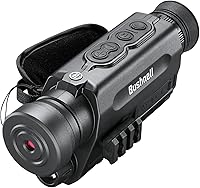
Bushnell Equinox X650: for recording from a fixed spot
The Bushnell Equinox X650 fits buyers who want handheld viewing with the option to steady it on a tripod. It captures daytime and nighttime video to microSD and includes a tripod-mount adaptor.
Its 3x optical magnification and up to 5x digital zoom suit looking toward a chosen area. Bushnell claims viewing up to 650 feet with its built-in IR, but plan your setup around recognizable detail closer in.
It uses 3 AA batteries, which suits outings where carrying replacements is easier than finding charging power. Set manual focus for the area you're watching, then readjust when subjects move nearer.
Skip it if you need a helmet-mounted setup or prefer rechargeable power. Our Bushnell Equinox X650 review covers this model in more detail.
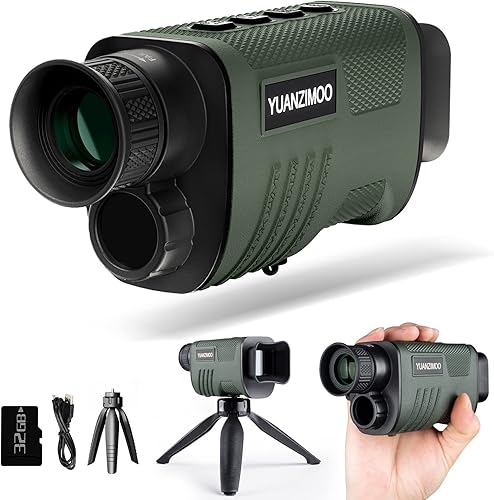
YUANZIMOO: for campers who want clips and photos
The YUANZIMOO Night Vision Monocular suits a seated campsite or backyard setup where you want both photos and video. Its included tripod and 32 GB memory card cover useful parts of that workflow.
It has a rechargeable 2000 mAh battery and supports charging from a power bank or car charger. That fits trips with a charging plan; skip it if you need to restore power by swapping ordinary AA batteries.
Its 850nm illuminator has 7 adjustment levels, paired with 2x optical magnification and 8x digital zoom. Use the lower illumination settings for nearby subjects before adding power.
YUANZIMOO claims viewing up to 984 feet. Compare it with other choices in our night vision monocular guide if your main need is one-eye handheld observation.
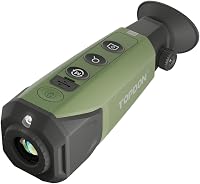
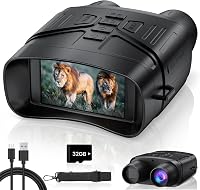
GOYOJO GNG2K: for buyers planning a mounted setup
The GOYOJO GNG2K suits buyers who specifically want helmet mounting. It includes a quick-release mount and electronic compass, with a 45-degree field of view for scanning.
Its 2688 x 1520 resolution, 60Hz refresh rate and 4 color modes describe the digital viewing system. A mode called White Phosphor is a display choice here, not an analog intensifier tube.
GOYOJO claims viewing up to 300 meters using its adjustable 940nm IR. Choose it for its mounting format, rather than assuming those figures establish identification range or viewing delay.
Skip it if you'll mainly sit beside a tripod and record wildlife. If you prefer viewing with both eyes, compare device styles in our night vision binoculars guide.
How should you set up night vision for the first outing?
Learn the controls, focus and power routine before relying on the device after dark. Start from a stationary position with a clear view of a familiar area.
For a daytime-capable digital model, learn the buttons in daylight using the approved mode. For analog equipment, follow its light-exposure instructions and keep the protective cap fitted when required.
Use this order when you begin observing:
- Secure the device. Fit the strap or mount, check attachments and place a tripod on firm ground.
- Set the eyepiece. If it has an adjustment, make display text or the viewing screen clear first.
- Focus on the subject. Adjust the objective focus for the actual distance, rather than leaving it at yesterday's setting.
- Add IR gradually. Start low and increase only when the scene needs it.
- Check recording. Save a short clip, play it back and confirm that storage works before settling in.
Keep display brightness low enough for comfortable viewing. An overly bright screen can make the surrounding darkness harder to see when you lower the device.
With a helmet mount, adjust alignment while stationary and check clearance around your face. A mounted monocular doesn't provide the same depth cues or awareness as ordinary vision.
Can you use it during the day?
Use daylight modes only where the exact model permits them. The Bushnell and YUANZIMOO support daytime viewing, but that permission doesn't extend to every digital device.
Analog tubes can be harmed by excessive light, so follow the device's cap and exposure instructions. Never aim either type toward the sun.
Our guide to using digital night vision during the day explains the checks to make before switching conditions.
How do power and care affect your choice?
Choose a power system you can support for the whole outing, including a reserve. Battery capacity alone doesn't guarantee runtime across different devices.
A sensor, screen and active IR all draw power in digital equipment. Analog equipment also needs batteries, and accessories add to what you must carry and maintain.
For rechargeable gear, charge before leaving and keep the correct cable with your power source. For replaceable batteries, follow the manual's battery type and replacement instructions.
Keep lenses capped during transport and remove loose grit before wiping them with suitable lens materials. Rubbing a dusty lens can scratch its surface.
Let damp equipment dry before sealing it in a case, and follow storage instructions for batteries. Don't assume an outdoor description means a device can be submerged or left exposed to heavy rain.
What common mistakes should you avoid?
Avoid buying around one headline number, especially maximum range, zoom or resolution. The complete setup must fit your light, viewing position and power plan.
Common mistakes include:
- Choosing magnification before field of view. A tight view can make nearby wildlife hard to find and moving subjects hard to follow.
- Turning IR to maximum immediately. Nearby reflections may wash out the subject you actually want to see.
- Confusing detection with identification. A visible shape isn't enough detail to establish what you're observing.
- Assuming recording is included. Confirm the feature for the exact device, along with card requirements and file transfer.
- Ignoring total setup size. A helmet, mount, spare power and camera adapter all affect what you'll carry.
Before using equipment for hunting or taking it across borders, read whether night vision goggles are legal. Rules can depend on location and intended use.
Digital night vision vs analog: which should you pick?
Choose by your main task, then rule out devices that don't support it. Use these decisions to narrow the field:
- Save backyard wildlife clips: choose a digital device with confirmed recording, such as the Bushnell.
- Record during camping trips: choose the YUANZIMOO if its rechargeable power plan fits your trip.
- Observe with your hands free: consider the GOYOJO and allow time to fit its mount.
- Prioritize responsive viewing without added IR: compare suitable analog tubes and low-light digital candidates under similar conditions.
Skip these digital choices if you specifically want analog light amplification. Equally, don't build an analog camera setup if simple built-in recording is your main goal.
Make your digital night vision vs analog decision at the distance and light level you'll actually use. The night vision binoculars and monoculars buying guide will help you choose the viewing format next.
Frequently asked questions
What is the main difference between digital and analog night vision?
Digital night vision uses a sensor and electronic display; analog uses an image intensifier tube to amplify incoming light. Digital often suits recording and supported daytime viewing, while analog suits responsive observation; both need some light, and either may need infrared illumination when the surroundings are too dark.
Does digital night vision work in total darkness?
Digital night vision can work in total darkness with a suitable infrared illuminator; the illuminator lights the scene for the sensor, so obstacles, reflections and distance still affect the view. A bright image or a claimed maximum range does not guarantee enough detail to identify a distant animal.
Is analog night vision better than digital?
Analog is often the stronger choice when responsive viewing and observation without added IR matter most, provided the tube suits the conditions; digital is usually simpler for built-in recording. Compare complete devices: a technology label does not guarantee image detail, comfort, runtime or performance under a dark canopy.
Can digital night vision be used during the day?
Some digital night vision devices support daytime use, including the Bushnell Equinox X650 and YUANZIMOO Night Vision Monocular; follow the exact model's instructions before exposing it to daylight. Analog devices need their own precautions, so never assume daytime permission for one device applies to another or look toward the sun.
Does digital night vision record video?
Many digital devices record video, but the feature is model specific; the Bushnell Equinox X650 records video to microSD, while the YUANZIMOO monocular captures photos and video with an included memory card. Before an outing, confirm that recording starts, files save correctly and your chosen device can read them.