Are Night Vision Goggles Legal?
Night vision goggles are generally legal to own in the United States, but hunting, location, device type, and export rules can limit their use. Check the rules for your activity and destination before buying.
On this page (9 sections)
- Are night vision goggles legal to own?
- Can you hunt with night vision goggles?
- Can you use night vision goggles for wildlife observation?
- Is it legal to use night vision while driving?
- Can you take night vision goggles across a border?
- Which night vision device suits phone viewing and recording?
- How should you choose night vision for lawful observation?
- How do you set up and care for digital night vision?
- Are night vision goggles legal for your planned use?
Night vision goggles are generally legal to own in the United States, but that doesn't make every use lawful. Hunting, land access, driving, and international travel raise separate questions.
Start with your intended activity, then choose the equipment. A viewer for watching a backyard feeder calls for different buying decisions than equipment you plan to carry on a hunting trip.
Are night vision goggles legal to own?
Ordinary consumer night vision devices are generally legal for private ownership in the United States. The exact device and local rules still matter, and ownership doesn't settle questions about hunting or travel.
“Night vision goggles” can mean screen-based digital binoculars, a handheld monocular, or an image intensifier worn over the eyes. Identify the model and technology before checking restrictions.
The 3 products below are digital observation devices. Don't assume that a product called goggles includes headgear or supports walking with it over your eyes.
For a plain-language explanation, see how digital night vision works. Infrared illumination and recording are features to understand, not proof that a particular activity is allowed.
Can you hunt with night vision goggles?
Hunting permission depends on the state, species, season, location, and method. Equipment you can own for observation may be restricted when used to locate or take wildlife.
Check the relevant state wildlife agency's current regulations, including artificial-light and night-hunting rules. Public land and other managed areas may impose additional limits.
Look beyond whether a hunting season is open. Confirm that the rules allow your device type, its infrared illuminator, and your planned method of use.
Are night vision goggles legal for hunting coyotes or hogs?
There is no single nationwide answer for coyotes or hogs. Check the rules for the species and exact place where you plan to hunt.
If the wording is unclear, ask the wildlife agency about your specific equipment and activity. Explain whether you're observing, locating animals, or hunting, and whether you'll use infrared illumination.
Don't buy equipment for a hunt until those questions are settled. Marketing that mentions hunting doesn't guarantee legal permission.
Can you use night vision goggles for wildlife observation?
Use night vision for observation only where access and wildlife rules permit it. Choose a viewing position where you have permission to be, and avoid disturbing animals or watching private spaces.
For a feeder, garden, or field edge, viewing format matters more than a long feature list. Decide whether you want a screen for relaxed stationary viewing or a monocular for brief handheld checks.
Vtiisamao: choose it for stationary screen viewing
The Vtiisamao suits someone who wants to sit and watch without pressing an eyepiece against their face. Its 3-inch screen, 850nm infrared illuminator, and standard 1/4"-20 tripod mount fit that use; the tripod is separate.
A built-in 5000mAh battery charges through USB-C, and a 32GB memory card is included. That makes it a practical choice if you'd rather recharge than carry disposable batteries.
Skip it if you need phone live viewing or prefer looking through a monocular. For longer observation sessions, plan a stable support and access to charging rather than assuming the battery will last all night.
Bushnell: choose it for handheld monocular viewing
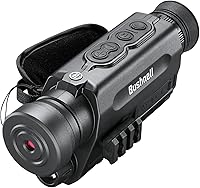
The Bushnell Equinox X650 suits a buyer who prefers a handheld monocular over a shared screen. It offers day and night video capture, built-in infrared illumination, and recording to a microSD card.
It has 3x optical magnification and up to 5x digital zoom, uses 3 AA batteries, and includes a tripod-mount adaptor. Carrying spare batteries can be useful when charging isn't convenient.
Skip it if phone sharing or screen viewing is central to your plans. Compare the format with other choices in our night vision monocular guide.
For the broader technology choice, read digital vs. analog night vision. Choose the viewing method you need before comparing recording features.
Is it legal to use night vision while driving?
Don't wear night vision goggles or watch a device screen while driving. They can obstruct your view or distract you from traffic.
Traffic laws vary, so this isn't a blanket legal ruling for every location. Use your vehicle's lights, and stop somewhere safe and lawful before operating a viewer.
The same practical caution applies on foot: stop before studying a magnified image. A narrow view can hide nearby branches, uneven ground, or people outside the frame.
Some digital devices also work in daylight. Read whether digital night vision works during the day, but don't confuse daytime capability with suitability for driving.
Can you take night vision goggles across a border?
Check export, import, and possession requirements before packing night vision equipment. The device's capabilities, destination, and countries along your route can affect the requirements.
The United States Department of Commerce's Bureau of Industry and Security is a starting point for commercial export-control guidance. Confirm which authority covers your exact model and whether authorization is required.
Keep the model name and technical details available when seeking guidance. A seller's willingness to ship a device doesn't settle whether you can carry it on your trip.
Don't leave this check until departure day. If you can't confirm the requirements, resolve them before taking the equipment abroad.
Which night vision device suits phone viewing and recording?
The VOOPEAK suits buyers who want smartphone live viewing and local file transfer. Its app lets you view footage, take photos, record video, and download saved files without a cloud upload or subscription for file transfer.
Motion detection can start recording when movement or changes appear in the frame. That suits watching a feeder or garden from a fixed position, though moving vegetation may also change the image.
Its 3-inch display has 6 brightness levels, and the included 32GB card can be replaced with one up to 256GB. Choose it when saving and sharing clips matters more than keeping operation simple.
WiFi mode changes the controls: only infrared level and flashlight adjustments remain available on the device. Turn WiFi off to restore normal button operation.
Skip it if you want every control available on the device while connected to your phone. Learn the app connection at home before relying on it outdoors.
If your main goal is finding animals by their heat patterns, compare night vision vs. thermal imaging. These viewing methods answer different needs.
How should you choose night vision for lawful observation?
Choose around viewing comfort, useful detail, and power needs, after confirming your intended use is permitted. A bigger zoom number or recording resolution shouldn't make the decision for you.
- Viewing format: A screen suits stationary observation and showing someone what you see. A monocular suits someone who prefers an eyepiece.
- Image detail: Digital zoom enlarges the image and can make blur more obvious. Focus first, then add zoom only when it helps.
- Viewing distance: A claimed maximum range doesn't promise that you can identify a small animal at that distance. Weather, vegetation, subject size, and infrared reflection affect what you can see.
- Power: Rechargeable models need charging access. Replaceable batteries let you carry fresh cells, but you must pack them.
- Recording: Decide whether you need saved clips, phone access, or simply a live view. Extra functions add setup steps.
For a fuller comparison of formats, read our night vision binoculars and monoculars buying guide. Start with where you'll observe and how you'll hold the device.
How do you set up and care for digital night vision?
Set up the controls before your first dark outing, then adjust focus and infrared illumination at the viewing spot. Familiar controls mean less time staring at menus when an animal appears.
Charge the battery or fit fresh cells, attach the strap, and confirm that recording storage is ready. Save a short practice clip and play it back so you know files are being stored.
Begin at the lowest zoom and focus on your subject. Increase infrared illumination gradually; nearby leaves and branches can reflect light back and wash out the view.
Keep the lens clear of fingers and straps. If using a tripod, check the attachment and balance before letting go.
Don't assume any of these devices is waterproof. Follow the manual's weather limits, protect the ports from moisture, and let damp equipment dry before storage.
Use a blower or soft lens brush to remove grit before wiping optical surfaces with a suitable lens cloth. Back up recordings before clearing a card, and store the device in a dry place.
Are night vision goggles legal for your planned use?
Confirm permission for the activity and location first, then buy for the way you'll observe. Hunting and international travel need their own checks, even when ownership at home is allowed.
Choose the Vtiisamao for stationary screen viewing, the Bushnell if you prefer a handheld monocular, or the VOOPEAK for phone viewing and recording options. Skip features you won't use and plan how you'll power and support the device.
Before ordering, use our guide to how digital night vision works to understand what infrared viewing can show you after dark.
Frequently asked questions
Are night vision goggles legal to own in the United States?
Night vision goggles are generally legal to own in the United States, but ownership and permitted use are separate questions. Check the rules for your state and activity, especially before hunting or traveling abroad; identify the exact device rather than relying on the broad term night vision goggles.
Can you hunt with night vision goggles?
It depends on the state, species, season, location, and hunting method. Rules may restrict night vision, infrared illumination, or night hunting even when owning the device is allowed; check the relevant wildlife agency's current regulations and the rules for the land where you plan to hunt.
Can you drive with night vision goggles?
Don't wear night vision goggles or watch a handheld viewer while driving. A magnified image or bright screen can interfere with your view and attention, and traffic laws may apply; use your vehicle's lights and stop somewhere safe and lawful before operating a night vision device.
Can you take night vision goggles on an international trip?
Check United States export controls and the destination country's import and possession rules before packing night vision equipment. Requirements can depend on the exact device, destination, and countries along your route; keep the model information available and seek official guidance before departure if you can't confirm which requirements apply.